Uutishuone
Hanne Salonen: Education sector gears up for crucial collective bargaining negotiations

Collective bargaining negotiations will commence in February in the Finnish Education Employers (FEE). These negotiations bring many important questions and decisions that affect both employees and employers in the sector. The goal of these negotiations is to reach an agreement on working conditions, such as salaries and working hours, which are an essential factor in the relationship between employees and employers.
The general collective agreement for universities will expire at the end of March, and several organization-specific collective agreements are also up for negotiation. For universities of applied sciences, negotiations will be held regarding salary adjustments for 2025, and if no agreement is reached, the collective agreement can be terminated to end on April 30, 2025. In the private education sector and vocational adult education centers, salary adjustment solutions tied to the general line will be defined for this year. In the private early childhood education and care sector, negotiations have been ongoing since autumn regarding the terms of a potential new collective agreement.
Preparations for the negotiations have included extensive discussions with our members to form objectives. We have also discussed with trade unions about schedules and some of the topics to be addressed in the negotiations.
What does the negotiation spring look like?
Finnish Education Employers as well as other sectors are awaiting the resolutions of the Technology Industries of Finland (TIF) and the Chemical Industry Federation of Finland. The cost level of collective agreements in these sectors has traditionally formed the so-called general line. The board of Finnish Education Employers forms the decisions and policies related to its collective agreements.
The employee side (SAK unions) has publicly stated that they demand a 10 percent salary increase over two years in the technology industry. Employers in the education sector have followed the public discussion related to the 10 percent target with concern. The private education sector is very labor-intensive, and personnel costs constitute more than half of the costs for many organizations in the sector. Additional funding does not automatically come in proportion to salary increases, meaning that excessive salary increases could lead to the need to reduce the workforce in many organizations. This would again lead to a greater workload for the remaining staff, larger student groups, and would not be in anyone’s best interest when considering the overall picture.
The goal of Finnish Education Employers: fair working conditions for all
The collective agreements of Finnish Education Employers generally have a long history. This historical context is evident in many of the association’s collective agreements, for example, in the definitions of working hours, job descriptions, and salary criteria. Some of the current provisions may lead to unfairness among employees working in the same workplaces which is why we have prepared objectives related to such provisions.
Secondly, the upcoming collective agreement solutions must ensure the financial operating conditions of the actors in the education sector. However, there is a lot of variation in economic conditions, which is why solutions related to money should be agreed upon locally. All members of Finnish Education Employees want to retain their skilled workforce and be able to attract motivated staff in the future.
Finding the right solution is not always easy, but we are highly motivated in our work at Finnish Education Employers. Education is the answer to many challenges, and the work done in our member organizations is particularly valuable.
The impact of the negotiations on Finnish society at large
The outcome of the Finnish Education Employer’s collective bargaining negotiations and the process leading to it have a broad impact not only on the education sector but also on Finnish society. The association’s members train about 1,000,000 Finns annually. It is therefore important that working conditions safeguard the operational capabilities of the actors in the sector, especially from an economic perspective, and lead to fairness in the workplace. Wisely negotiated working conditions will enable Finland to be a prosperous, open, and appealing nation, renowned for having the best-educated population, where knowledge and creativity drive progress, making the world a better place.

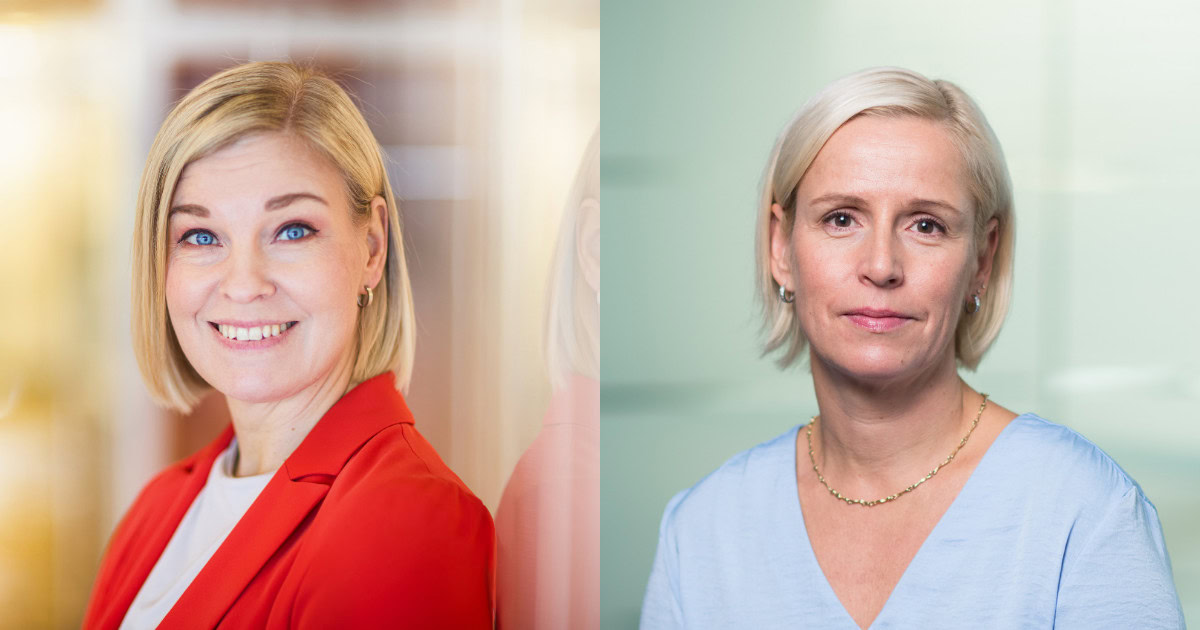
Hanne Salonen
The writer is the Labour Market Director at Finnish Education Employers.